
Case Summary
A 91-year-old patient developed Category 2 sacral area decubitus ulcers at a rehabilitation clinic after becoming bedridden following a trochanteric hip fracture and intramedullary (gamma) nail surgery. Standard post-surgical rehabilitation stalled completely—for reasons the clinical staff failed to identify—while inadequate hospital nutrition and unmonitored IV administration induced severe biochemical destabilization. Despite 45 consecutive days of conventional wound cleansing and dressing changes, the ulcers showed zero healing progress, paralyzed by profound systemic anemia and unchecked inflammatory cascades.
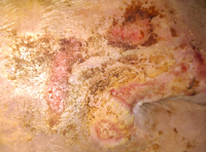
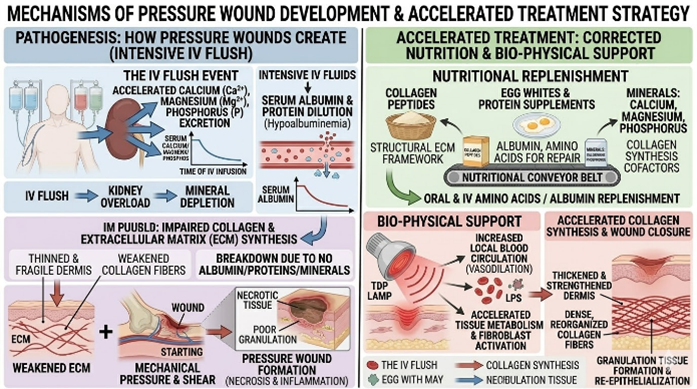
Following a transfer to a secondary clinic, the patient’s condition deteriorated rapidly: the pressure wound area exploded by 2,000% (a 20-fold expansion) in just 10 days. The primary catalyst was uncompensated IV diuresis, which flushed essential minerals—Potassium, Magnesium, Calcium, Sodium, and Phosphorus—along with albumins and total proteins down to critical levels. Most alarming was the drop in Potassium to 2.5 mmol/L (severe hypokalemia)—a life-threatening oversight for a patient with a 15-year cardiac history, arrhythmias, and a pacemaker. Despite these severe risks, the clinic refused to administer blood transfusion, albumin, and electrolyte replenishments. Simultaneously, red blood cell counts dropped another 20% as transfused blood from the original surgery reached the end of its shortened lifespan.
The underlying driver was finally identified: a hospital-acquired, multi-drug resistant (MDR) Klebsiella pneumoniae infection contracted at the rehabilitation clinic between December 2025 and January 2026. MDR Klebsiella pneumoniae OXA-48 acted as a metabolic iron thief. In response to high systemic inflammation (CRP 175 mg/L), the liver released hepcidin and degraded ferroportin, locking iron in cellular storage. Without serum iron, erythropoiesis halted completely, keeping the patient severely anemic and hypoxic. The patient was anemic since the hip fracture in October 2025 and gamma nail surgery. Anemic condition worsened by MDR infection could not be countered until C-reactive protein dropped below 40 mg/L. Without sufficient tissue oxygenation, nutrients and enzymatic co-factors could not reach the wound bed to enable closure.
This highlights a fundamental misunderstanding in standard hospital care: pressure wounds are rarely caused by bed pressure alone. Mechanical pressure is merely the final trigger. Tissue collapses because mineral and electrolyte depletion destroys skin elasticity and dermal turgor. When compounded by severe deficits in albumin, collagen, proteins, Calcium, Magnesium, and oxygenation, even minor surface friction rapidly expands into catastrophic deep-tissue breakdown.
Most hospital staff incorrectly treat decubitus ulcers as pure friction injuries. In reality, pressure is only the final spark. The true structural breakdown happens from the inside out when electrolyte and protein starvation dissolves dermal elasticity, leaving hypoxic, malnourished skin completely defenseless against the slightest pressure.
The root cause of such a catastrophic tissue breakdown was not simple bed pressure, but a multi-tiered failure of institutional care. It began with a hospital-acquired MDR infection and severe clinical neglect at the rehabilitation clinic, followed by IV fluid mismanagement at the second hospital that induced critical biochemical collapse. Compounded by inadequate clinical nutrition, aggressive drug actions, systemic inflammation, poor hygiene standards, breaking of epidemiological rules, and a profound lack of accountability across both public health institutions, the patient’s body was systematically deprived of its ability to survive—let alone heal.
Accelerated Anti-Decubitus Treatment Timeline
The following timeline documents the visual progress, clinical status, and targeted therapeutic interventions across a ten-day accelerated healing protocol for acute Category 2 decubitus ulcers. By pairing high-density structural nutrition with localized TDP Far-Infrared (FIR) thermal stimulation and a bioactive compound balm, this multi-axis approach transformed a stagnant, hospital-exacerbated severe wounds into complete dermal restoration in just under 10 days.
| 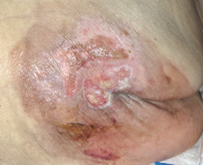 | 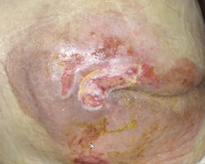 |
| Initial Breakdown (December 2025-January 2026). Original Decubitus Wound: Category 2 sacral area wound sustained at the rehabilitation clinic due to MDR Klebsiella pneumoniae infection, post-surgical bed rest and inadequate hospital nutrition. Wound showed zero progress for 45 days. | Iatrogenic Explosion (February, 2026). Severe Deterioration (2000% Expansion): After 10 days of hospitalization at second clinic with uncompensated IV flushes, minerals (K+, Mg2+, Ca2+, Na+, P) and proteins were stripped. Wounds expanded x20 times into Category 1 & 2 clusters. | … |
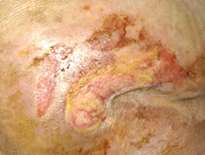 | 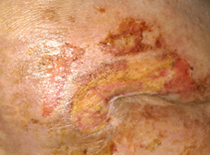 |  |
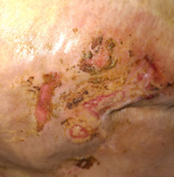
| Day 1 Treatment. Protocol Start: High-density nutritional protocol (proteins, collagen, minerals) started alongside localized TDP Far Infrared (FIR) therapy. | … | … |
 | 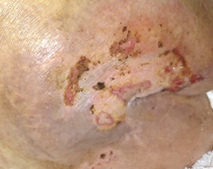 | 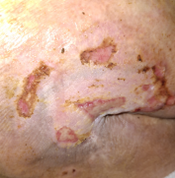 |
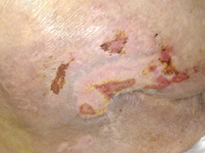
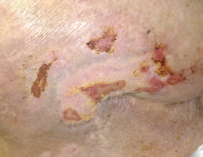
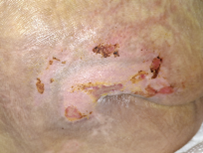
| Day 2 Treatment. Early Matrix Regeneration: Granulation tissue formation and collagen matrix synthesis become visible in the wound bed. Nutrition + TDP FIR active. | Day 3 Treatment. Rapid Granulation: Wound surface area visibly shrinking. Continued high-protein/mineral nutrition and TDP FIR therapy. | Day 4 Treatment. Accelerated Epithelialization: Wound edges closing rapidly at an estimated rate of ~25% per day. |
 |  |  |
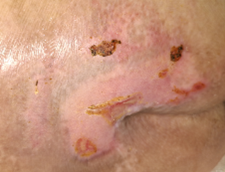
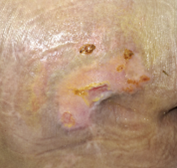
| Day 5 Treatment. Significant Closure: Dermal layer thickening; tissue color improving as oxygenation and systemic micro-circulation increase. | … | Day 6 Treatment. TDP Therapy Complete: Final day of TDP FIR therapy. Wounds closed. Topical natural balm applied (curcumin, propolis, panthenol). |
 |  | 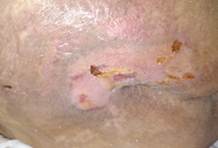 |
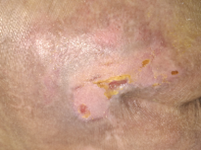
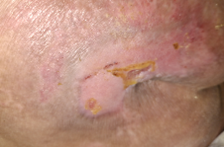
| Day 7 Natural Healing. Nutritional Maintenance: TDP FIR stopped. Healing continues naturally driven purely by oral nutritional building blocks and topical balm protection. | … | Day 8 Natural Healing. Advanced Repair: Skin integrity almost fully restored; minimal residual scab remaining. |
 |  | 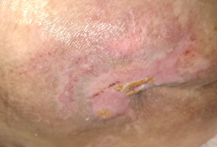 |
| Day 9 Natural Healing. Submucosal Strengthening: Dermal elasticity and color returned to baseline. Nutrition-driven natural closure. | Day 9 Natural Healing… | Day 10 Final Outcome. Complete Resolution: Recalcitrant Category 1 and 2 decubitus ulcers fully closed and healed. Total protocol success in 10 days. |
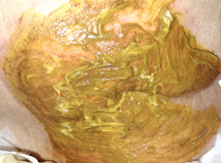 | 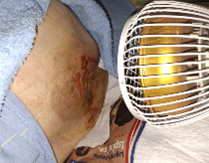 | 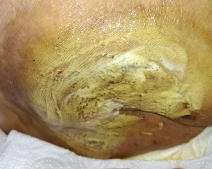 |
| Balm: Applied compound balm (Curcuma, Shikakai, beeswax, propolis, Flogocid, Panthenol) to wound bed. Topical iodine was used as broad spectrum antiseptic. | TDP FIR: TDP FIR thermal therapy applied over balm to accelerate bioactive transdermal absorption, boost micro-circulation, and energize fibroblasts for daily matrix rebuilding. | Flogocid: Provides potent local anti-inflammatory, antimicrobial, and analgesic action, curbing tissue swelling, suppressing local pathogens, and soothing painful wound sites. Panthenol (Pro-Vitamin B5): Accelerates cell proliferation and epithelialization, deep-hydrates damaged tissue, and repairs the natural skin barrier to speed up closure. |
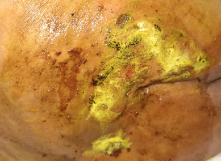 | 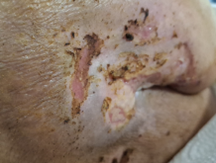 | 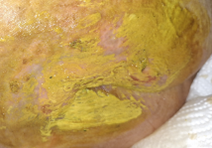 |
| TDP FIR over Balm: Far-Infrared (FIR) thermal stimulation accelerates micro-vascular circulation and tissue oxygenation while significantly enhancing the dermal penetration and transdermal delivery of bioactive compounds from the topical balm directly into the wound bed. | TDP FIR alongside targeted nutrition: When TDP Far-Infrared (FIR) thermal stimulation is combined with targeted collagen hydrolysates and amino acid substrates, a powerful synergistic effect takes place at the cellular level. FIR radiation stimulates dermal fibroblasts and activates localized heat shock proteins, while oral collagen supplies the necessary structural peptides. Working in tandem, stimulated fibroblasts deposit new extracellular matrix fibers, rapidly cross-linking collagen to contract the wound edges and physically close the dermal gap. | Curcuma (Turmeric): Provides high-potency anti-inflammatory NF-𝜅B inhibition), antimicrobial, and antioxidant protection to the wound bed. Combined with TDP Far-Infrared (FIR) stimulation, thermal vasodilation enhances transdermal delivery of active curcuminoids directly into hypoxic tissue, energizing fibroblasts and accelerating collagen matrix synthesis. |
| A specialized topical balm was formulated using a synergistic blend of natural bioactives and clinical creams, including Curcuma (turmeric) powder, Shikakai powder, beeswax, propolis, Flogocid cream, and Panthenol cream. Wounds that had previously stalled with zero healing progress for over two months achieved complete closure within just six days. This rapid recovery was driven by a multi-targeted approach combining high-density oral nutrition (rich in structural proteins, collagen hydrolysates, and essential minerals), localized TDP Far-Infrared (FIR) thermal therapy, and the antimicrobial, anti-inflammatory, antioxidant, astringent, and barrier-restoring properties of the topical balm. Active tissue granulation and extracellular collagen matrix restoration were clearly visible by Day 2 of treatment, with an observed wound closure rate of approximately 25% per day. | ||
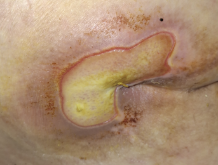

High-Density Structural Nutrition: The “Champions Breakfast” Protocol
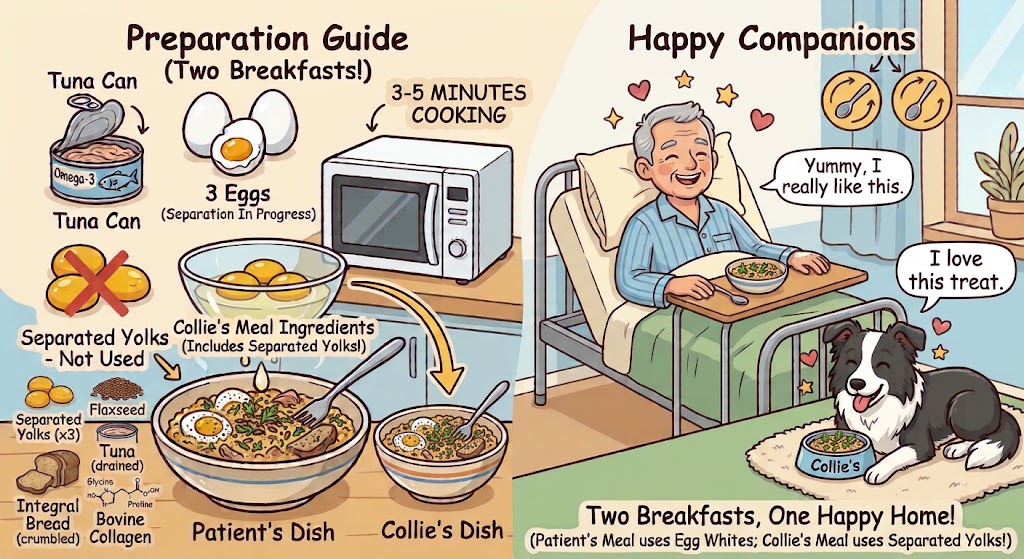
To reverse severe metabolic depletion and supply the exact cellular substrates required for rapid matrix rebuilding, standard caloric intake is insufficient. The patient was placed on a specialized, high-density morning feeding protocol—the “Champions Breakfast”—designed to deliver a concentrated ~59 grams of total high-purity protein in a single meal to elevate plasma oncotic pressure, load bioavailable collagen precursors, provide sustained complex carbohydrates, and suppress systemic microvascular inflammation.
Biochemical Composition & Targeted Roles
| Component | Household Measure | Active Substrates | Protein Yield | Targeted Physiological Function |
| Canned Tuna | 125 grams (1 standard can) | Lean Muscle Protein, Omega-3s (EPA/DHA), Selenium | ~30.0 g | Dense amino acid pool for tissue reconstruction paired with anti-inflammatory lipids that improve local endothelial microcirculation. |
| Egg Whites | 3 whole whites (~100g liquid) | Pure Ovalbumin (zero fat/cholesterol load) | ~11.0 g | Rapidly bioavailable essential amino acids that elevate serum albumin levels, restoring oncotic pressure to resolve dermal tissue edema. |
| Bovine Collagen Powder | 12 grams (1 heaping tbsp) | Hydrolyzed Collagen Peptides (Glycine, Proline, Hydroxyproline) | ~11.0 g | Delivers immediate, ready-to-use building blocks for dermal extracellular matrix repair; triggers active fibroblast collagen synthesis. |
| Integral (Whole Grain) Bread | 1-2 slices (crumbled/mixed) | Complex Carbohydrates, B-Vitamins, Zinc, Fiber | ~4.5 – 5.0 g | Provides sustained cellular energy (ATP) required for intensive tissue synthesis, prevents muscle catabolism, and supplies micro-minerals for cell division. |
| Ground Flaxseed Powder | 10 grams (1 heaping tbsp) | Alpha-Linolenic Acid (ALA), Soluble Mucilage Fiber | ~1.8 – 2.0 g | Downregulates systemic inflammatory eicosanoids while ensuring smooth GI motility and preventing constipation in bedridden patients. |
| TOTAL MEAL YIELD | — | — | ~58.3 – 59.0 g | Delivers >80% high-biological-value protein to rapidly elevate serum amino acid pools and restore plasma oncotic pressure. |
Preparation Method: 5-Minute Microwave Co-Cooking
To maximize digestive compliance in elderly, immobilized patients and ensure rapid enzymatic breakdown, all ingredients—125g tuna, 3 egg whites, 10g ground flaxseed, 12g bovine collagen, and crumbled integral bread—were thoroughly mixed together into a homogeneous, nutrient-dense blend. The entire preparation and cooking process takes less than 5 minutes, making it easily repeatable for caregivers in both home and hospital settings.
The mixture is cooked directly in the microwave for roughly 2 to 3 minutes. Microwaves set the egg white proteins into a soft, easy-to-digest matrix that binds the collagen, flaxseed, and integral bread crumbs uniformly around the tuna. This soft-cooked structure serves three critical practical and metabolic purposes:
- Denaturation without Nutrient Loss: Gentle thermal setting denatures raw egg white avidin, ensuring optimal biotin absorption while maintaining the integrity of the collagen peptides and fatty acids.
- Simplified Ingestion: Eliminates chewing fatigue in frail, post-surgical patients, allowing rapid, complete consumption of high-density nutrients in a single bowl.
- Optimized Gastric Emptying: The combination of complex carbs from the integral bread and mucilage from the flaxseed creates a slow-release gel matrix, preventing osmotic diarrhea and driving steady, prolonged amino acid uptake into circulation.
Physiological Synergy in Dermal Matrix Rebuilding
- Restoration of Oncotic Pressure & Tissue Turgor: Protein starvation causes fluid to pool in interstitial spaces, swelling tissue and impairing microvascular perfusion. Delivering ~59g of total protein in a single morning feeding rapidly elevates serum amino acid pools and circulating albumin, pulling excess interstitial fluid back into circulation to relieve tissue edema.
- Direct Matrix Substrate Loading: Hydrolyzed bovine collagen delivers 11g of concentrated Glycine, Proline, and Hydroxyproline directly into systemic circulation. By bypassing complex internal liver synthesis during acute metabolic stress, these peptides enter the bloodstream intact to serve as instant raw materials for wound-bed fibroblasts.
- Eicosanoid Cascade Shift: High systemic CRP drives persistent tissue catabolism. The marine Omega-3 fatty acids (EPA/DHA) from tuna paired with plant-derived ALA from flaxseed suppress pro-inflammatory prostaglandins (PGE2), shifting the biochemical environment toward active tissue resolution.
Physiological Synergy in Dermal Matrix Rebuilding
- Restoration of Oncotic Pressure & Tissue Turgor: Protein starvation causes fluid to pool in interstitial spaces, swelling tissue and impairing microvascular perfusion. The combined ~40g+ of high-purity protein from egg whites, tuna, collagen, and integral grain rapidly restores plasma oncotic pressure, pulling excess interstitial fluid back into circulation to relieve tissue edema.
- Direct Matrix Substrate Loading: Hydrolyzed bovine collagen delivers concentrated Glycine, Proline, and Hydroxyproline directly into systemic circulation. By bypassing complex internal liver synthesis during acute metabolic stress, these peptides enter the bloodstream intact to serve as instant raw materials for wound-bed fibroblasts.
- Eicosanoid Cascade Shift: High systemic CRP drives persistent tissue catabolism. The marine Omega-3 fatty acids (EPA/DHA) from tuna paired with plant-derived ALA from flaxseed suppress pro-inflammatory prostaglandins (PGE2), shifting the biochemical environment toward active tissue resolution.
Conclusion: The Myth of Bed Pressure Exposed—Hospitals, Stop Blaming the Patients
This case study shatters the conventional medical assumption that pressure wounds are an inevitable consequence of a patient being bedridden or unable to move. The catastrophic dermal breakdown observed here was not the patient’s fault, nor was it an unavoidable outcome of immobility. It was caused directly and primarily by institutional bad practice, clinical negligence, and a pervasive failure across healthcare staff to apply foundational biomedical principles—concepts taught in the very first year of medical school. Allowing critical electrolytes to flush uncompensated, ignoring protein depletion, and failing to account for hepcidin-driven iron lockdown is not merely sub-standard care; it is fundamentally negligent and inhumane.
The ultimate proof lies in the long-term clinical outcome:
- 10 Days of Hospital Mismanagement: Under standard institutional protocols, unmonitored IV flushing and neglect caused the patient’s wound surface area to explode by 2,000% (20-fold) in just ten days.
- The results of the home intervention following patients hospital discharge, were immediate and dramatic: within just four days of initiating targeted nutrition and TDP Far-Infrared therapy, the Category 2 decubitus ulcer achieved closure—shrinking at a steady rate of 25% per day during TDP application. In just six days of active FIR stimulation and ten days of precise nutritional reconstruction, dermal integrity was completely restored. The wound fully healed, succeeding in days where months of standard hospital protocols—blinded by medical fallacy and a dogmatic focus on bed pressure—had led only to stagnation and decay.
- 9 Months Bedridden at Home with Zero Wounds: Since returning home to a regimen of targeted nutrition, electrolyte balancing, proper inflammation management, and localized tissue support, the patient has remained bedridden for 9 full months without developing a single pressure wound again!
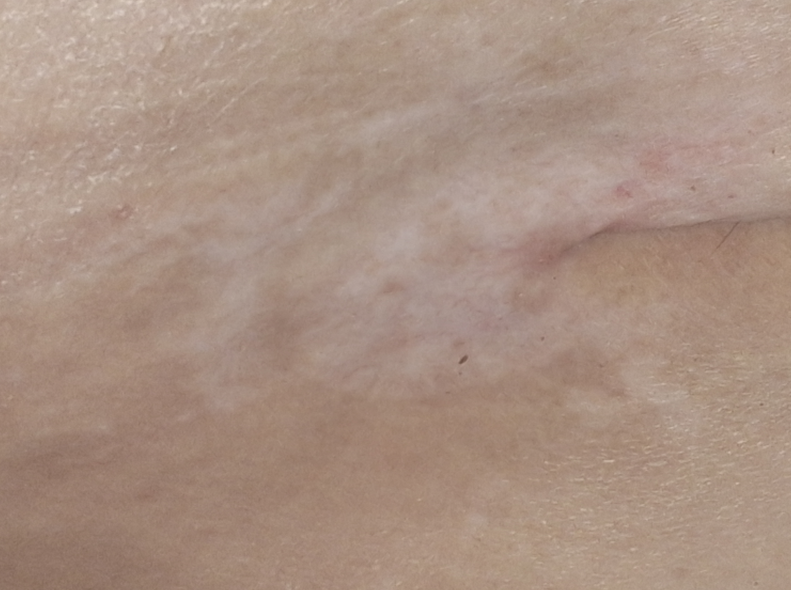
This image illustrates a well-healed, pale scar with completely intact, resilient skin tissue, captured nine months after initial wound closure.
Despite remaining bedridden for these entire nine months, the patient developed zero new pressure ulcers or breakdown. This outcome was achieved through precise metabolic management—balancing high-quality proteins, essential amino acids, key minerals, and targeted anti-inflammatory control to preserve tissue integrity and microvascular perfusion under constant physical contact.
While conventional hospital protocols often assume immobility alone is the primary cause of decubitus ulcers, this case demonstrates that systemic tissue vulnerability, unmanaged systemic inflammation, and metabolic depletion are critical underlying drivers. Once metabolic stability and dermal nutrition were restored, complete wound resolution was achieved and full tissue breakdown resistance was maintained without further pressure injuries.
Furthermore, despite being infected with extreme multi-drug resistant strains—including carbapenemase-producing Klebsiella pneumoniae (OXA-48 and NDM-1)—the patient completely defied the grim 30-day mortality statistics associated with high-grade sepsis in nonagenarians. By addressing the underlying biochemical collapse and supporting the immune system, the patient successfully shifted from a life-threatening, critical septic state to stable chronic CAUTI management, steadily advancing toward clearing the infection one step at a time.
When hospitals stop hiding behind the excuse of “bed pressure” and begin addressing basic physiological needs—oxygenation, electrolyte stability, and high-density protein building blocks—the human body retains an extraordinary capacity to heal, even in the face of advanced age, immobility, and severe superbug pathogens.
The Transition from Internal Repair to External Protection
Addressing systemic nutrient depletion, severe electrolyte imbalance, and microvascular starvation establishes the internal metabolic foundation necessary for tissue repair, but internal rebuilding alone cannot be guaranteed to overcome persistent, unyielding mechanical load during many months of recovery in bed. Without continuous external pressure relief, even the most nutritionally enriched skin matrix could become susceptible to ischemic breakdown at most vulnerable anatomical contact points. To protect newly synthesized collagen and allow cellular regeneration to proceed uninhibited, systemic nutritional therapy should be paired with continuous mechanical offloading in the treatment follow-up phase and targeted localized interventions that together shield and energize the healing wound bed.
Baseline Protection Against Tissue Injury: The Role of Alternating Pressure Mattresses in Immobilized Patient Care
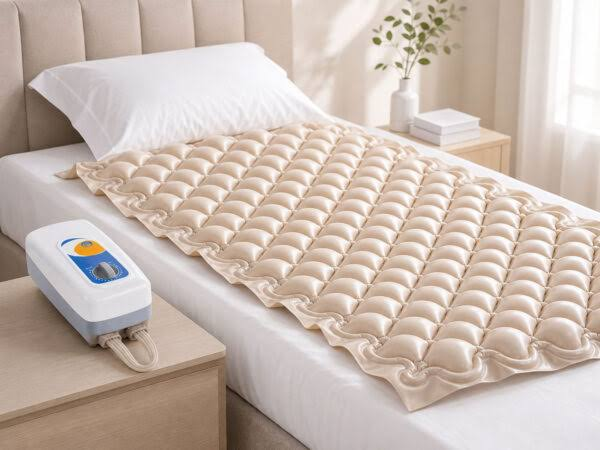
An anti-decubitus inflatable mattress equipped with an alternating pressure compressor serves as a vital mechanical safety system for non-ambulatory patients, acting as a continuous baseline defense against severe tissue breakdown. While optimal nutritional intake and targeted manual repositioning remain foundational pillars of pressure ulcer prevention, human caregiving has inherent limits—especially during overnight hours or extended care shifts. By continuously inflating and deflating air cells in alternate cycles, the compressor dynamically redistributes interface pressure, stimulates capillary blood flow, and relieves constant ischemic shear across vulnerable bony prominences like the sacrum, hips, and heels. This mechanized pressure relief ensures that tissue perfusion is maintained around the clock, bridging critical gaps between manual turns and preventing high-stage pressure injuries before deep tissue ischemia can occur. Working in direct tandem with the specialized structural nutrition and metabolic protocols designed to rebuild internal dermal elasticity and reverse systemic tissue starvation, the alternating pressure mattress functions as the indispensable physical shield—safeguarding vulnerable tissue integrity from external mechanical triggers while the nutritional program repairs and restores the skin from the inside out.
Mechanical and Bioactive Safeguards in Accelerated Decubitus Management
While targeted structural nutrition addresses the systemic and biochemical roots of tissue collapse, local mechanical relief and active stimulation are essential to protect and accelerate dermal recovery. The multi-axis protocol combines continuous dynamic pressure offloading with localized bioactive therapy.
- Alternating Pressure Air Mattress with Compressor (Continuous Physical Shield):
- Dynamic Interface Redistribution: Cycles air cell inflation and deflation to prevent constant ischemic pressure and shear stress on vulnerable bony prominences (sacrum, hips, heels).
- 24/7 Perfusion Baseline: Maintains tissue microcirculation during overnight hours and extended care intervals, bridging critical gaps between manual repositioning turns.
- Passive Safety Net: Functions as the primary external defense against new pressure injuries while internal cellular matrix rebuilding is underway.
In case of pressure wounds re-emerging, reapply :
- Targeted TDP Far-Infrared (FIR) Thermal Therapy (Transdermal & Fibroblast Activation) if needed:
- Microvascular Stimulation: Deep thermal radiation induces vasodilation, increasing localized oxygenation and metabolic cofactor delivery directly to the wound bed.
- Cellular Energy Boost: Energizes local fibroblasts and accelerates collagen matrix deposition, converting stagnant wound edges into active granulation tissue.
- Bioactive Compound Balms (Pathogen Control & Tissue Regeneration):
- Synergistic Transdermal Delivery: Applied prior to FIR exposure to maximize deeper transdermal absorption of active compounds (curcumin, propolis, panthenol, beeswax, and Flogocid).
- Inflammation & Epithelial Support: Suppresses local bacterial colonization, reduces tissue edema, and promotes rapid epithelial closure and submucosal strengthening.
Microvascular Stagnation & Enzymatic Capillary Clearance
Pathology of Microvascular Stasis
At the cellular level, tissue repair—especially in pressure injuries (decubitus ulcers) and damaged dermal layers—depends entirely on an uninterrupted supply of oxygen, amino acids, and essential metabolic cofactors delivered by the microvasculature. When blood stagnation (microcirculatory stasis) occurs in the smallest capillaries feeding the skin:
- Cellular Hypoxia: Red blood cells aggregate and slow down, drastically reducing the oxygen tension within the wound bed. Fibroblasts require high oxygen levels to synthesize and cross-link collagen; hypoxia arrests this process.
- Nutrient Deprivation: Essential structural proteins and micronutrients cannot cross the capillary wall into ischemic tissue matrices.
- Metabolic Waste Accumulation: Lactic acid and inflammatory byproducts build up locally, sustaining an acidic, hostile environment that impedes granulation and epithelialization.
- Delayed Healing Cascade: Persistent capillary stasis traps inflammatory cells, prolonging the inflammatory phase and preventing the transition into proliferative healing, turning minor pressure spots into chronic, non-healing wounds.
Targeted Systemic Enzymes and Bioactive Clearance Protocols
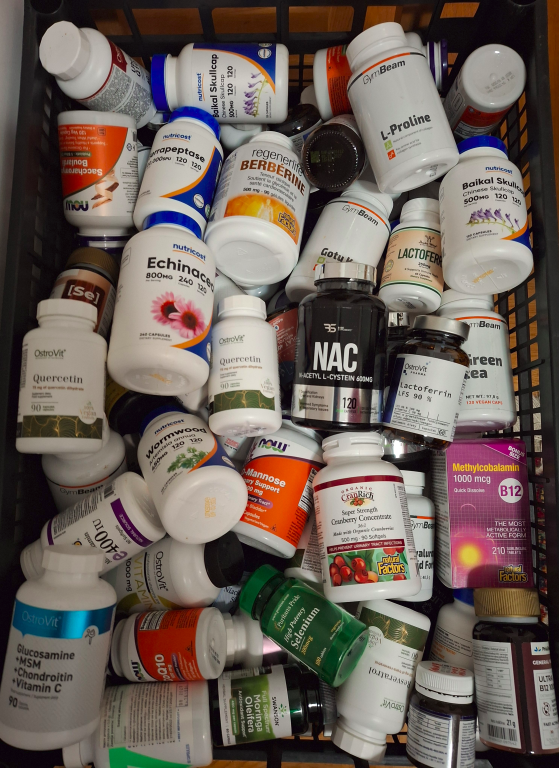
To restore blood flow through micro-vessels, clear out fibrin micro-clots, and strengthen vascular walls, specific proteolytic enzymes and vascular-active bio-compounds play a vital therapeutic role:
- Nattokinase: A potent fibrinolytic (fibrin-dissolving) enzyme derived from fermented soybeans (natto). It actively breaks down excess fibrinogen and blood clots that clog micro-capillaries, reducing blood viscosity and enhancing microvascular perfusion to starved tissues.
- Serrapeptase: A proteolytic enzyme isolated from the Serratia bacteria residing in silkworms. It digests non-living tissue, fibrinous exudates, and micro-thrombi blocking capillary beds, while simultaneously reducing localized edema and swelling around the wound perimeter.
- Gotu Kola (Centella asiatica): A botanical extract rich in triterpenoids (such as asiaticoside and madecassoside) that strengthens capillary walls, improves microvascular endothelial integrity, and stimulates the synthesis of collagen and glycosaminoglycans in blood vessel walls.
- Citrus Bioflavonoids (e.g., Hesperidin, Diosmin): Powerful vascular protective agents that reduce capillary permeability, prevent micro-vessel leakage, and enhance lymphatic drainage to clear stagnant interstitial fluid and reduce tissue swelling.
- Lumbrokinase: A group of fibrinolytic enzymes extracted from earthworms that exhibits powerful anti-thrombotic activity, breaking down stubborn fibrin deposits in deep micro-vessels and restoring smooth micro-circulation.
- Bromelain: A proteolytic enzyme complex derived from pineapples that breaks down fibrin networks, decreases platelet aggregation, and lowers localized inflammation to keep capillary pathways open.
Related Reading: To explore the complete documentation behind these findings, read our follow-on publication, The Stradiya Protocols—Part1: A Full Clinical Timeline, Biochemical Audit, and Institutional Failure Analysis of Public Health Cover-Ups. This detailed companion piece features the master 9-month biochemical timeline, exposes the deliberate concealment of the catheter-induced Healthcare-Associated Infection (HAI) by the rehabilitation clinic, breaks down the urosepsis-LPS-biliary backpressure axis that nearly led to unnecessary gallbladder surgery, and details the targeted multi-organ biochemical protocols that saved the patient from systemic collapse.
(More on the FIR—Far Infrared Radiation and specific biochemical protocols used to counter MDR Klebsiella pneumoniae and long term management of chronic CAUTI will be covered in upcoming posts.)