
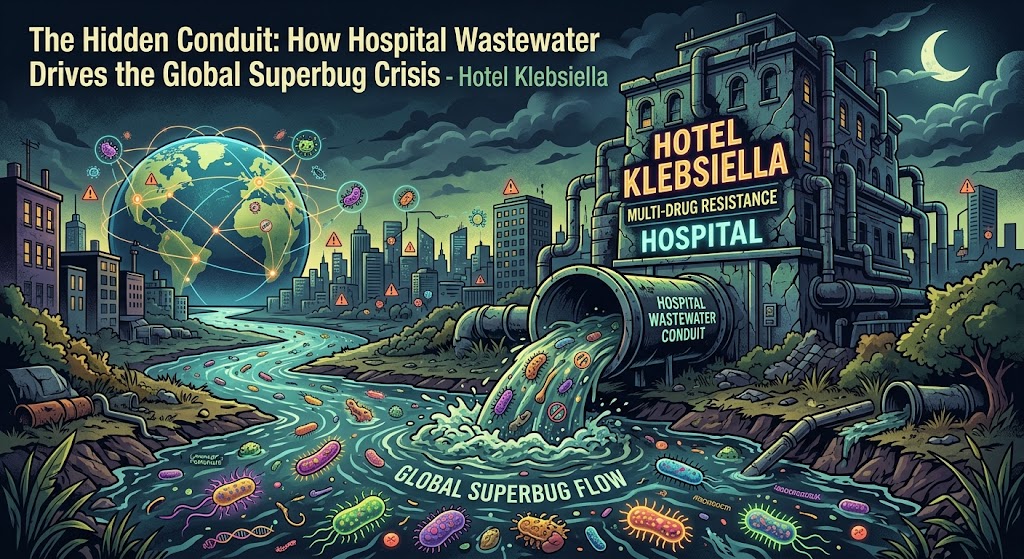
Every day, hundreds of thousands of liters of clinical wastewater are flushed directly into public municipal sewage networks from hospitals, long-term care facilities, and home-care settings.
This liquid waste is not ordinary sewage. It is a concentrated biological cocktail loaded with lipopolysaccharides (LPS/endotoxins), extracellular polymeric substances (EPS), bacterial biofilms, free-floating multidrug-resistant (MDR) and extensively drug-resistant (XDR) pathogens, and active antibiotic residues.
The Chemical & Biological Mixture in Hospital Wastewater
When patients with healthcare-associated infections (HAIs) or urinary catheterizations void urine or when catheter bags are emptied, the discharged fluid carries distinct biological threats:

- Active Antibiotic Residues: Up to 80% of administered antibiotics are excreted unchanged through urine and feces. Hospital wastewater contains high sub-inhibitory concentrations of fluoroquinolones, carbapenems, and cephalosporins.
- EPS & Biofilm Aggregates: Extracellular Polymeric Substances (EPS) act as a protective matrix that shelters bacteria from environmental degradation and standard chemical treatment.
- LPS Endotoxins: Cell wall components of Gram-negative bacteria (like Klebsiella, Acinetobacter, and Pseudomonas) remain chemically stable and biologically toxic even after the host bacteria are destroyed.
Why Conventional Sewage Treatment Fails
Most municipal wastewater treatment plants (WWTPs) were designed in the mid-20th century to reduce organic load (Biological Oxygen Demand) and suspended solids—not to neutralize genetic material or antibiotic-resistant superbugs.
Conventional Secondary Treatment (Activated Sludge)
In modern WWTPs, wastewater passes through aeration basins containing high densities of environmental bacteria. This environment inadvertently creates an ideal evolutionary bioreactor:
- Horizontal Gene Transfer (HGT): High bacterial density, warm conditions, and low-level antibiotic pressure accelerate gene transfer via plasmids, integrons, and transposons. Environmental bacteria acquire resistance genes (e.g., blaNDM, blaKPC, mcr−1) from clinical strains.
- Biofilm Persistence inside Municipal Pipes: Biofilm fragments containing EPS adhere to the interior surfaces of urban sewer pipes, creating permanent reservoirs of drug-resistant bacteria that shed continuously into flowing water.
- Effluent Disinfection Limits: Standard chlorination or UV treatment may kill susceptible vegetative bacteria, but often leaves intact resistance genes (free DNA) and LPS endotoxins, which pass directly into receiving rivers and lakes.
Environmental Pathway to Food and Water Chains
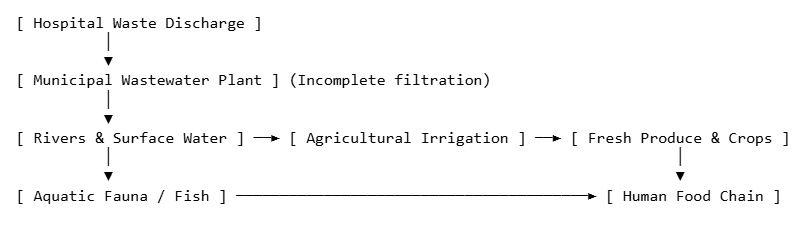
- Agricultural Irrigation: In many regions, treated or partially treated municipal effluent is discharged into surface waters used to irrigate crops. MDR strains of E. coli and Klebsiella pneumoniae have been isolated from the surfaces of fresh produce (such as leafy greens and root vegetables).
- Bioaccumulation in Aquatic Ecosystems: Discharge into rivers exposes fish and wild fauna to XDR pathogens and pharmaceutical residues. Studies consistently show elevated levels of carbapenem-resistant Enterobacterales downstream from hospital discharge points.
- Leachate into Groundwater: In areas lacking centralized municipal infrastructure, or where septic systems leak, hospital and home-care waste re-enters shallow aquifers, contaminating rural well-water supplies.
Amplification: Empowering Environmental Pathogens
The continuous influx of clinical genetic material into natural water bodies alters the surrounding microbiome:
- Interspecies Gene Exchange: Clinical resistance determinants mix with naturally occurring environmental pathogens (such as Aeromonas, Vibrio, and environmental Pseudomonas species), rendering opportunistic environmental organisms resistant to frontline medical treatments.
- Endotoxin Contamination: LPS in water supplies resists standard heat sterilization and filtration, triggering inflammatory responses and pyrogenic reactions if introduced to open wounds or livestock systems.
The Infrastructure Dilemma: Why No Easy Solution Exists
The lack of immediate, widespread remediation stems from structural, economic, and technical barriers:
- Extreme Decentralization: Thousands of patients with home-based urinary catheters, outpatient antibiotic therapies, or palliative care discharge high-risk waste into residential sewer systems that cannot be monitored or segregated.
- Capital Cost of On-Site Treatment: Installing advanced point-of-source treatment facilities (such as membrane bioreactors, ozonation, or advanced oxidation processes) directly at every hospital requires substantial capital investment and continuous operational expenditures.
- Regulatory Vacuum: Environmental discharge standards in many jurisdictions regulate total nitrogen, phosphorus, and coliform counts, but rarely impose enforceable limits on specific antibiotic resistance genes (ARGs) or pharmaceutical residue concentrations in municipal discharge.
Horizontal Gene Transfer Between Clinical And Environmental Bacteria In Aquatic Ecosystems
In aquatic ecosystems—such as rivers, lakes, municipal sewer pipes, and wastewater treatment plants (WWTPs)—clinical pathogens carrying multi-drug resistance (MDR) genes encounter native environmental bacteria. The process by which these unrelated organisms exchange genetic material without reproduction is called Horizontal Gene Transfer (HGT).
When hospital effluent or clinical waste mixes with natural water bodies, it creates an ideal environment for HGT: high bacterial density, physical surfaces for biofilm formation, and low concentrations of antibiotics that act as evolutionary triggers.
The 3 Primary Mechanisms of Horizontal Gene Transfer
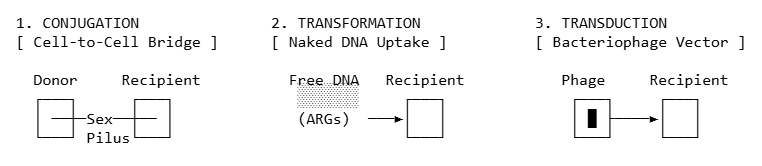
1. Conjugation (Direct Contact & Plasmid Transfer)
Conjugation is the most common and efficient mechanism for spreading multi-drug resistance in aquatic environments.
- The Mechanism: A donor clinical bacterium (e.g., a carbapenem-resistant Klebsiella pneumoniae from hospital waste) extends a tube-like protein structure called a sex pilus to connect with a receptive environmental bacterium (e.g., a native Aeromonas or Pseudomonas species).
- What Transfers: Mobile genetic elements called conjugative plasmids (e.g., IncF, IncL/M plasmids) carry entire resistance suites—such as the blaNDM-1 or blaKPC genes that confer resistance to carbapenem antibiotics.
- Why Aquatic Systems Accelerate It: Biofilms lining sewer pipes and stream beds force bacteria into tight physical proximity, keeping donor and recipient cells locked together long enough for conjugation to complete.
2. Transformation (Uptake of “Naked” Free DNA)
Transformation occurs when bacteria absorb free fragments of DNA directly from their surrounding liquid environment.
- The Mechanism: When clinical bacteria die and lyse (burst) due to chlorination, natural mortality, or immune responses, their cellular contents—including intact Antibiotic Resistance Genes (ARGs)—are released into the water column.
- Competence: Certain environmental bacteria enter a state called natural competence, developing surface receptors and channel proteins that actively pull this extracellular “naked” DNA into their cytoplasm.
- Integration: Mobile elements called integrons and transposons within the recipient cell cut the newly absorbed foreign DNA and stitch it directly into the recipient’s main chromosome or existing plasmids.
3. Transduction (Viral/Bacteriophage Vectors)
Transduction is mediated by bacteriophages—viruses that infect bacteria.
- The Mechanism: A bacteriophage infects a clinical superbug, replicating inside it. During viral assembly, the phage accidentally packages a fragment of the host bacterium’s antibiotic resistance genes instead of its own viral DNA.
- Transmission: The phage lyses the clinical host, floats through the water, and infects a wild environmental bacterium, injecting the clinical resistance gene directly into the recipient cell.
- Environmental Stability: Bacteriophages have durable protein coats, allowing them to survive standard wastewater disinfection processes (such as UV or mild chlorination) far longer than intact host bacteria.
Drivers Accelerating HGT in Aquatic Ecosystems
| Environmental Factor | How It Accelerates Gene Transfer |
| Sub-Inhibitory Antibiotics | Triggers the bacterial SOS response, increasing mutation rates and inducing the expression of conjugation machinery. |
| Heavy Metals (e.g., Zinc, Copper) | Drives co-selection: heavy metal resistance genes sit on the exact same plasmids as beta-lactamase genes, so metal pollution selects for drug resistance. |
| Biofilm Matrices (EPS) | Extracellular Polymeric Substances (EPS) trap free DNA, protect phages, and keep bacteria densely packed together. |
| Surfactants & Microplastics | Increase bacterial cell membrane permeability, making it easier for foreign DNA and plasmids to enter recipient cells. |
The Evolutionary Outcome: Creating Environmental Reservoirs
When clinical resistance genes transfer into indigenous aquatic bacteria:
- Permanent Environmental Reservoirs: The resistance genes no longer depend on human hosts for survival. They become a permanent fixture in natural river ecosystems and agricultural soils.
- Reverse Transmission: Harmless environmental bacteria that acquire these genes can later transfer them back to opportunistic human pathogens during swimming, agricultural irrigation, or consumption of fresh produce.
Sub-Inhibitory Concentrations Of Antibiotics Trigger The Bacterial SOS Response And Accelerate Gene Transfer
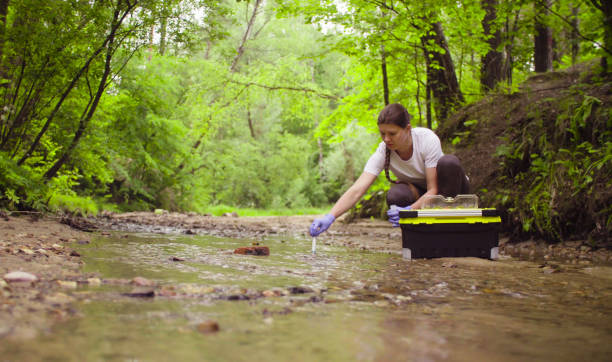
Sub-inhibitory concentrations—levels of antibiotics too low to kill bacteria or prevent their growth—act as potent chemical signaling agents rather than lethal forces. In aquatic ecosystems, agricultural runoff, and hospital wastewater, these trace amounts of antibiotics trigger a conserved bacterial stress network known as the SOS response.
Instead of suppressing bacteria, sub-lethal antibiotic exposure inadvertently accelerates bacterial evolution and drives the spread of multi-drug resistance (MDR) through enhanced horizontal gene transfer (HGT).
1. The Molecular Cascade: From DNA Damage to SOS Activation
Under normal, unstressed conditions, the bacterial SOS system is kept in a dormant “off” state by a master repressor protein called LexA.
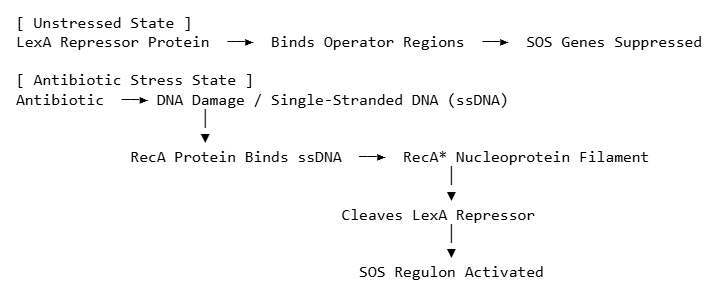
- Induction of Single-Stranded DNA (ssDNA):
- Fluoroquinolones (e.g., ciprofloxacin) directly inhibit DNA gyrase and topoisomerase IV, causing double-strand DNA breaks.
- β-lactams (e.g., ampicillin, carbapenems) disrupt cell wall synthesis, triggering cell division arrest and indirect DNA degradation.
- Trimethoprim depletes nucleotide pools, stalling DNA replication forks and leaving un-replicated stretches of single-stranded DNA.
- Assembly of the RecA Filament:*Free single-stranded DNA accumulates inside the cell. The primary recombination protein, RecA, senses this ssDNA and coats it, forming an active RecA nucleoprotein filament*.
- Autocleavage of LexA:The RecA* filament acts as a co-protease. It binds the LexA repressor and induces it to self-cleave. With LexA destroyed, the suppression on over 40-50 genes in the SOS regulon is lifted, fully activating the stress response.
2. Mechanisms Accelerating Horizontal Gene Transfer
Once the SOS response is active, it directly mobilizes and transfers genetic material through several distinct pathways:

A. Increased Plasmid Conjugation Rates
- Many conjugative plasmids contain regulatory proteins structurally similar to LexA (e.g., SetR in the SXT integrative conjugative element).
- When RecA* cleaves these plasmid repressors, it turns on the expression of tra (transfer) genes, inducing the formation of sex pili and boosting cell-to-cell plasmid conjugation rates by up to 100- to 1000-fold.
B. Integron Cassette Shuffling and Excision
- Integrons are genomic genetic systems that capture and express antibiotic resistance gene cassettes (e.g., blaNDM, aac, sul).
- The promoter for the Class 1 integron integrase gene intI1 contains a functional LexA-binding site.
- Activated SOS cleaves LexA, driving high expression of intI1. The integrase enzyme then cuts, rearranges, and captures new resistance cassettes from free environmental DNA or adjacent plasmids.
C. Prophage Induction and Transduction
- Many clinical pathogens carry dormant viral DNA (prophages) integrated into their chromosomes.
- The prophage repressor protein (CI) is homologous to LexA. RecA* cleaves CI, forcing the phage out of its dormant state into the active lytic cycle.
- The phages replicate, burst the host cell, and frequently package host antibiotic resistance genes, spreading them to new bacteria via transduction.
D. Hypermutation via Error-Prone DNA Polymerases
- The SOS response upregulates specialized low-fidelity DNA polymerases (Pol II, Pol IV, and Pol V).
- Unlike standard replication enzymes, these polymerases lack proofreading capability. They synthesize DNA across damaged sites (“translesion synthesis”), intentionally introducing high mutation rates that yield new drug-resistant variants.
3. Impact in Real-World Aquatic Environments
In natural surface waters and wastewater networks, antibiotic concentrations are typically nanograms to micrograms per liter—far below the Minimum Inhibitory Concentration (MIC) required to kill bacteria, but well within the window needed to trigger SOS:
| Antibiotic Class | Typical Hospital Effluent Range | Sub-MIC Effect on SOS & Gene Transfer |
| Fluoroquinolones | 0.1 – 10 μg/L | Strongest SOS inducer; drives high integron recombination and prophage lytic activation. |
| β-Lactams | 0.5 – 50 μg/L | Triggers cell wall stress response; enhances transfer of conjugative transposons. |
| Trimethoprim / Sulfonamides | 1 – 100 μg/L | Stalls replication forks; causes massive accumulation of ssDNA and RecA activation. |
Key Takeaway
Sub-inhibitory antibiotics do not kill bacteria; instead, they function as environmental catalysts for resistance. By triggering the SOS response, trace antibiotic pollution turns recipient environmental bacteria into active genetic recombiners, accelerating plasmid exchange, cassette shuffling, and viral transduction across aquatic food chains and public water systems.
How Do Class 1 Integrons Capture, Integrate, And Express Antibiotic Resistance Gene Cassettes In Clinical And Environmental Bacteria
Class 1 integrons are versatile genetic platforms capable of capturing, shuffling, and expressing non-replicating gene cassettes. They are widely recognized as the primary molecular vehicle driving multidrug resistance (MDR) in Gram-negative clinical and environmental bacteria (such as Enterobacteriaceae, Pseudomonas, and Acinetobacter).
Rather than transferring between cells on their own, class 1 integrons act as genetic recombination platforms that nest inside mobile genetic elements—such as transposons (e.g., Tn3 derivatives) and conjugative plasmids—allowing them to hitchhike rapidly across bacterial species.
1. Structural Architecture of a Class 1 Integron
A functional class 1 integron consists of two conserved flanking regions enclosing a variable central cassette array:

- The 5′ Conserved Segment (5′-CS):
intI1Gene: Encodes the site-specific integrase enzyme (IntI1), a tyrosine recombinase responsible for cutting and inserting gene cassettes.attI1Site: The primary integration site where new cassettes are inserted.PcPromoter: A strong constitutive promoter located insideintI1that drives the transcription of downstream promoterless gene cassettes.
- The Variable Region: Contains one or more tandemly arranged gene cassettes (e.g., conferring resistance to β-lactams, aminoglycosides, chloramphenicol, or trimethoprim).
- The 3′ Conserved Segment (3′-CS): Typically contains
qacEΔ1(conferring resistance to quaternary ammonium disinfectant compounds) andsul1(conferring resistance to sulfonamides).
2. The Step-by-Step Mechanism: Capture, Integration, and Expression
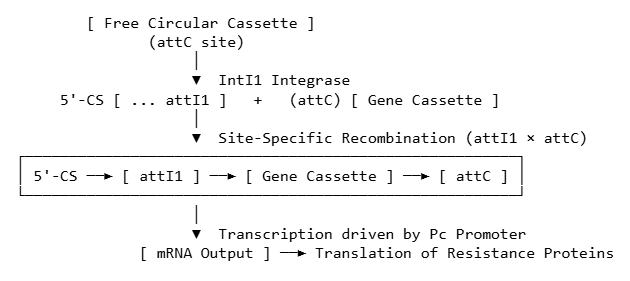
Step A: Excision of Circular Cassettes
Gene cassettes naturally exist as promoterless, covalently closed circular DNA molecules containing a single open reading frame (ORF) and a downstream attC recombination site (also known as the 59-be element).
- When a bacterium is exposed to environmental stress (such as sub-inhibitory antibiotics activating the SOS response), the integrase enzyme IntI1 is upregulated.
- IntI1 recognizes the secondary hairpin structure of the
attCsite on an existing cassette, catalyzes a site-specific cleavage, and excises the cassette into a free circular form.
Step B: Site-Specific Integration (attI1 × attC)
- IntI1 binds both the primary
attI1site on the integron platform and the single-stranded fold of the free cassette’sattCsite. - IntI1 catalyzes a strand exchange via a conserved tyrosine residue, inserting the circular cassette directly at the
attI1locus, immediately adjacent to thePcpromoter. - This site-specific integration is directional, ensuring that the open reading frame is oriented correctly for downstream transcription.
Step C: Expression via the Pc Promoter
Most gene cassettes are promoterless—they carry the genetic code for a resistance protein but lack the regulatory machinery to transcribe it independently.
- The integron solves this by using its built-in
Pcpromoter located in the 5′-CS. - Expression follows a strict distance gradient: cassettes integrated closest to
attI1(Position 1) receive the highest level of transcription. Cassettes located further downstream in the array receive progressively less transcription due to transcriptional termination and mRNA decay. - If environmental selection pressure changes (e.g., exposure to a different class of antibiotic), IntI1 can excise front-position cassettes and shuffle downstream cassettes forward to boost their expression.
3. Role of the SOS Response in Cassette Shuffling
The expression of the intI1 gene is directly regulated by the bacterial SOS stress response:
- Under normal conditions, the LexA repressor protein binds to an operator sequence overlapping the
intI1promoter, keeping integrase production off or at minimal basal levels. - When bacteria encounter DNA-damaging agents—such as fluoroquinolones, β-lactams, UV light, or reactive oxygen species—single-stranded DNA triggers the RecA protein to cleave LexA.
- Cleavage of LexA derepresses
intI1, leading to a burst of integrase production. This transforms the integron into an active “cassette-shuffling machine,” allowing the population to rapidly test new resistance combinations.
4. Environmental Distribution: Clinical vs. Environmental Strains
Class 1 integrons are unique in their ability to bridge clinical and natural ecosystems:
| Feature | Clinical Isolates | Environmental Isolates |
|---|---|---|
| Typical Hosts | K. pneumoniae, E. coli, P. aeruginosa, A. baumannii | Aeromonas, Shewanella, Vibrio, soil Proteobacteria |
| Common Cassettes | blaIMP, blaVIM, aac(6′)−Ib, dfrA, aacA4 | qac, environmental catabolic genes, uncharacterized ORFs |
| Abundance Driver | High clinical antibiotic exposure | Municipal sewage, heavy metal runoff, agricultural manure |
| Mobility | Linked to Tn3/Tn402 transposons on IncF/IncL/M plasmids | Often chromosome-bound or on environmental plasmids |
Because the 3′-CS region (qacEΔ1/sul1) confers resistance to common industrial disinfectants and agricultural sulfonamides, class 1 integrons are continuously selected for in municipal wastewater treatment plants and agricultural runoff—creating a persistent environmental reservoir for multi-drug resistance.
Hospital Wastewater Filtering
To neutralize the complex biological hazard of hospital wastewater—including multidrug-resistant (MDR/XDR) bacteria, intact antibiotic resistance genes (ARGs), active pharmaceutical residues, and extracellular biofilm matrices—specialized point-of-source treatment systems are required.
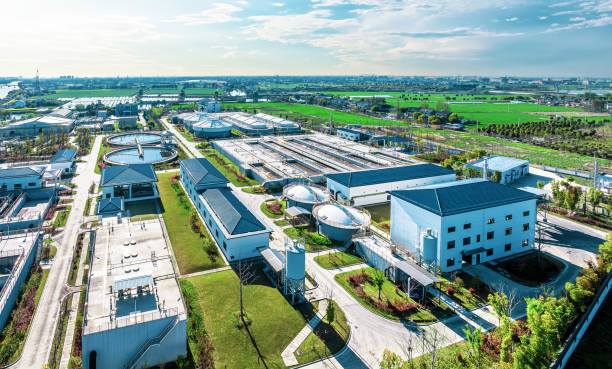
Standard municipal sewage treatment plants (WWTPs) fail to destroy these contaminants. On-site hospital wastewater filtering requires a multi-stage barrier architecture combining physical filtration, biological degradation, and advanced oxidation processes (AOPs).
The Multi-Stage Hospital Wastewater Filtration Architecture

Stage 1: Pre-Treatment & Equalization
- Coarse & Fine Screening: Mechanical bar screens remove gross solids, plastics, and medical debris.
- Equalization Tank: Balances peak surge flows (e.g., morning patient hygiene and laundry shifts) and normalizes pH and temperature fluctuations before downstream processing.
Stage 2: Membrane Bioreactor (MBR) System
The core of modern hospital-specific treatment combines activated sludge biological digestion with membrane filtration:
- Submerged Microfiltration (MF) / Ultrafiltration (UF): Hollow-fiber or flat-sheet membranes with pore sizes between 0.01 and 0.1 microns physically retain all intact bacteria, biofilm aggregates, and suspended solids.
- Biomass Retention: Keeps sludge ages high, giving slow-growing specialized bacteria time to break down complex pharmaceutical compounds.
Stage 3: Advanced Oxidation Processes (AOP) & Tertiary Filtration
- Ozonation (O3): Ozone gas attacks aromatic rings in pharmaceutical molecules, destroying active antibiotics (e.g., fluoroquinolones, carbapenems) and breaking down extracellular polymeric substances (EPS) and cell wall endotoxins (LPS).
- UV / H2O2 (Advanced Photolysis): High-intensity ultraviolet radiation combined with hydrogen peroxide generates hydroxyl radicals (⋅OH), which cleave and destroy free extracellular DNA and Antibiotic Resistance Genes (ARGs like blaNDM-1 and mcr−1).
- Reverse Osmosis (RO) / Nanofiltration (NF): Dense polymeric membranes filter out dissolved ions, heavy metals, and trace antibiotic residues down to 0.001 μm.
Standard Sewage Treatment vs. Dedicated Hospital Treatment
Disinfectants & Heavy Metals Hospital Risk: Low
MUNICIPAL MECHANISM & REMAINING RISK: 40% Removal. Relies heavily on volumetric dilution; highly variable chelation efficacy.
HOSPITAL MBR + AOP MECHANISM: 92% Removal via dense membrane cake layer filtration and ozonation cleavage of extracellular polymeric substances.
Treatment Efficiency & Removal Mechanisms
| Target Contaminant | Primary Filtration Mechanism | Treatment Efficiency |
|---|---|---|
| Intact MDR/XDR Bacteria | Ultrafiltration (0.01–0.1 μm) / MBR | > 99.999% (Physical barrier retention) |
| Free Resistance Genes (ARGs) | UV/H2O2 AOP / Nanofiltration | 95% – 99% (Nucleic acid cleavage) |
| Active Antibiotic Residues | Ozonation (O3) / Reverse Osmosis | 90% – 98% (Chemical oxidation) |
| Endotoxins (LPS) & Biofilm | Ozonation + Biofiltration | 90% – 95% (Structural degradation) |
Capital Costs, Space Footprints, And Operational Expenditures For On-Site Hospital MBR Wastewater Treatment Systems?
Implementing on-site Membrane Bioreactor (MBR) treatment systems for hospital wastewater—especially when paired with tertiary Advanced Oxidation Processes (AOP) like ozonation or UV/H2O2—involves distinct financial and spatial trade-offs compared to conventional wastewater systems.
While MBR systems require significantly higher upfront capital investment and power consumption than standard municipal sewer connections, their compact physical footprint and high-quality effluent make them viable for hospital retrofits.
1. Capital Expenditures (CAPEX)
CAPEX varies primarily based on plant capacity, measured in cubic meters per day (m3/day). Hospital wastewater generation typically averages 400 to 800 liters per bed per day.
- Small Community / Regional Hospital (100–250 beds | 100−200 m3/day):
- Core MBR System: €450,000 – €800,000
- Tertiary AOP Unit (O3 / UV): €150,000 – €300,000
- Total Installed CAPEX: €600,000 – €1,100,000
- Large Tertiary / University Hospital (500–1,000 beds | 500−1,000 m3/day):
- Core MBR System: €1,500,000 – €2,800,000
- Tertiary AOP Unit (O3 / UV): €400,000 – €850,000
- Total Installed CAPEX: €1,900,000 – €3,650,000
CAPEX Cost Driver Breakdown
- Membrane Modules (20–25%): Ultrafiltration flat-sheet or hollow-fiber membrane cassettes (PVDF or ceramic).
- Civil Works & Tanks (30–35%): Equalization basins, aeration tanks, and sludge storage structures.
- Electro-Mechanical & Automation (25–30%): Blowers, permeate pumps, SCADA control networks, and dosing units.
- Advanced Tertiary / AOP (15–20%): Ozone generators, oxygen feed systems, or high-intensity UV reactors for ARG/pharmaceutical destruction.
2. Physical Space Footprints
One of MBR’s primary advantages over Conventional Activated Sludge (CAS) is its high Mixed Liquor Suspended Solids (MLSS) operating density (8,000−12,000 mg/L vs 2,000−4,000 mg/L in CAS). This eliminates the need for bulky secondary clarification tanks, reducing the required footprint by 50% to 70%.
| Hospital Size / Capacity | Footprint (Conventional System) | Footprint (MBR + AOP System) | Containerized Option Available? |
|---|---|---|---|
| 100 Beds (100 m3/day) | 350−500 m2 | 80−140 m2 | Yes (2x 40ft High-Cube Containers) |
| 300 Beds (250 m3/day) | 800−1,200 m2 | 220−350 m2 | Yes (Skid-mounted modular shed) |
| 700 Beds (500 m3/day) | 1,500−2,500 m2 | 450−700 m2 | Built on-site / Dedicated utility basement |
- Height Requirements: Vertical clearance of 4.5 to 6.0 meters is necessary to allow for membrane cassette hoisting during maintenance and cleaning.
3. Operational Expenditures (OPEX)
The ongoing operational cost for an MBR + AOP system typically ranges between €0.65 and €1.40 per m3 of treated wastewater.
Key OPEX Components
- Electricity / Energy (0.8−1.6 kWh/m3): ~40–50% of OPEX. Driven by coarse bubble aeration needed to scour membranes and prevent biofouling, plus ozone generation.
- Membrane Replacement (Capital Amortization): ~20–25% of OPEX. Polymeric membranes (PVDF) last 7 to 10 years before requiring replacement; ceramic membranes last 15+ years at higher initial CAPEX.
- Chemicals & Consumables: ~15–20% of OPEX. Includes sodium hypochlorite (NaOCl) and citric acid for Clean-In-Place (CIP) membrane washing, plus coagulants/flocculants.
- Sludge Disposal: ~10–15% of OPEX. Dewatering and hazardous waste transport for biological excess sludge.
Summary
The unchecked, continuous release of Multi-Drug Resistant (MDR) waste—from pharmaceutical manufacturing, intensive livestock farming, and untreated hospital effluent—presents a severe ecological and public health threat. Environmentally discharged waste containing leftover antibiotics and resistant pathogens transforms natural ecosystems like rivers, soil, and wastewater treatment plants into active breeding grounds for resistance.
Key Consequences of Uncontrolled MDR Waste Discharge
- Acceleration of Horizontal Gene Transfer (HGT): Placing sub-lethal concentrations of antibiotics into water bodies exerts selective pressure on local bacteria. Through mechanism platforms like plasmids, transposons, and integrons, non-pathogenic environmental bacteria swap resistance genes directly with human pathogens. This accelerates the emergence of “pan-drug resistant” superbugs faster than standard mutation rates allow.
- The End of Modern Medicine (Post-Antibiotic Era): Without effective antimicrobials, routine medical procedures become extremely high-risk or impossible:
- Surgical Interventions: Common procedures like joint replacements, C-sections, and organ transplants will carry elevated infection risks.
- Oncology & Immunosuppression: Cancer chemotherapy and autoimmune treatments rely on working prophylactic antibiotics to protect immunocompromised patients.
- Loss of Last-Resort Options: Multi-drug resistance in Gram-negative pathogens (e.g., Pseudomonas aeruginosa, Klebsiella pneumoniae, Acinetobacter baumannii) renders critical last-resort drugs like carbapenems and polymyxins completely ineffective.
- Global Burden on Health & Infrastructure
- Escalating Mortality: Projections indicate drug-resistant infections could cause up to 10 million deaths annually, surpassing cancer as a leading cause of death.
- Healthcare System Strain: Treating MDR infections requires prolonged hospitalizations, complex isolation protocols, and significantly more expensive second- or third-line pharmaceuticals.
- Severe Socio-Economic ImpactExtensive antimicrobial resistance threatens global livestock productivity and food security while driving healthcare expenses up. The compounding drag on global GDP, trade, and labor supply could mirror or exceed the economic damage of severe economic recessions.
- Disruption of Environmental EcosystemsAntibiotic contamination harms essential soil microbes and aquatic microbiomes. Disrupting these organisms threatens nutrient cycling, natural water purification processes, and food chain dynamics.
Path Forward
Addressing this crisis requires a coordinated One Health approach, recognizing the interconnectedness of human, animal, and environmental health:
- Implementing strict industrial effluent standards for pharmaceutical manufacturers and healthcare facilities.
- Enhancing wastewater treatment technologies capable of degrading antibiotic compounds and neutralizing resistant DNA.
- Reducing non-essential, prophylactic antibiotic use in agriculture and aquaculture.
Superbugs: The global health crisis that threatens modern medicine
Video covering how the global rise of antibiotic resistance and superbugs impacts public health and modern medical care.